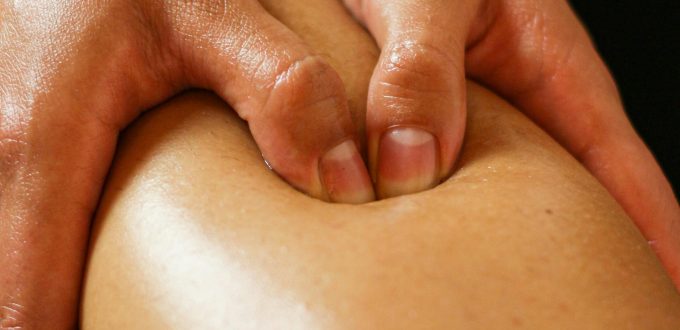
The Importance Of Massage
Massage, a very simple natural art, movement of the muscles to aid in many healing benefits.
The definition of massage is as follows
Massage is the manual manipulation of soft body tissues—muscles, tendons, ligaments, and skin—using pressure, kneading, and rubbing to enhance health, reduce stress, and alleviate pain. It is commonly used in therapeutic contexts for relaxation, injury rehabilitation, and improved circulation.
However, massage does a lot more than this, massage is a crucial tool for enhancing both physical and mental health, wellness, pain management, and injury recovery, for athletes it is even more affective.
Deep tissue massage plays a crucial role in the physical maintenance and performance of athletes, particularly those engaged in demanding endurance sports such as triathlon. Combining swimming, cycling, and running, triathletes place repetitive and prolonged stress on their muscles, connective tissues, and joints. Over time, this can lead to tightness, imbalances, and a higher risk of injury. Deep tissue massage offers a targeted and effective way to address these challenges, supporting both recovery and peak performance.
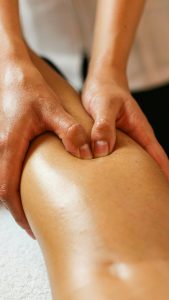
Massage is very important for triathletes
Unlike relaxation massage, deep tissue massage focuses on the deeper layers of muscle and fascia. By applying slow, sustained pressure, it helps release chronic tension, break down adhesion s (commonly known as “knots”), and improve overall tissue mobility. For athletes, this is particularly beneficial because repetitive motion often leads to the development of these adhesion’s, which can restrict movement and reduce efficiency.
One of the primary benefits of deep tissue massage for athletes is improved recovery. After intense training sessions or competitions, muscles can become inflamed and fatigued. Deep tissue techniques help increase blood flow to affected areas, promoting the delivery of oxygen and nutrients while aiding in the removal of metabolic waste such as lactic acid. This process can significantly reduce muscle soreness and accelerate recovery time, allowing athletes to return to training sooner and with less discomfort.
Injury prevention is another key advantage. Tight or imbalanced muscles can alter biomechanics, placing undue stress on joints and increasing the likelihood of strains or overuse injuries. Regular deep tissue massage helps maintain optimal muscle length and flexibility, ensuring that the body moves efficiently and symmetrically. For triathletes, who rely on consistent training across multiple disciplines, this balance is essential to avoid setbacks caused by injury.
Deep tissue massage also enhances performance by improving range of motion and muscular function. When muscles are free of restrictions, they can contract more effectively, leading to better power output and endurance. For example, a cyclist with improved hip flexibility can achieve a more efficient pedal stroke, while a runner with reduced calf tightness may experience a smoother stride. Even swimmers benefit, as increased shoulder mobility can lead to more effective strokes and reduced fatigue.
Additionally, there is a significant mental component to deep tissue massage. Training for endurance events can be physically and psychologically taxing. Massage provides an opportunity for relaxation and stress relief, helping athletes reset mentally. This can improve focus, motivation, and overall well-being—factors that are just as important as physical conditioning in achieving success.
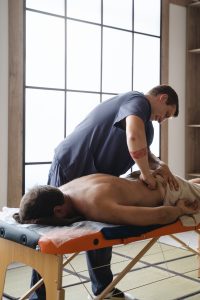
A Professional Massage Can Keep You Injury Free
It is important to note that deep tissue massage should be incorporated thoughtfully into an athlete’s routine. Sessions may be scheduled during recovery periods or lighter training days, as the intensity of the massage can sometimes cause temporary soreness. Working with a qualified therapist who understands the specific demands of triathlon or athletic training ensures that the treatment is both safe and effective.
In conclusion, deep tissue massage is a valuable tool for athletes and triathletes alike. By promoting recovery, preventing injury, enhancing performance, and supporting mental well-being, it contributes to a more sustainable and successful training journey. As the demands of endurance sports continue to push the limits of the human body, practices like deep tissue massage become increasingly essential in helping athletes perform at their best.